

What Makes a QA Engineer Valuable When AI Writes Tests for You

AgileVerify
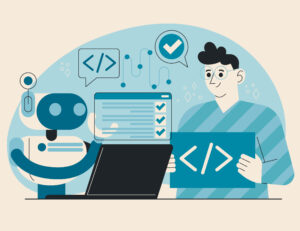
In the past, a QA engineer’s job could be described simply: write test cases, find bugs, and prevent bad releases. But that definition feels outdated today. Software delivery happens faster, automation tools are smarter, and AI now plays a major role in generating tests and checking results. The real question now isn’t whether QA will survive, but what value a QA engineer brings when machines can write tests for you.
Automation and AI aren’t new to QA but they’ve gone from tools that help, to tools that do a lot of the work we used to do manually. Modern test suites can automatically generate scripts, self-heal broken UI tests, and prioritize test runs based on usage patterns. In many teams, these capabilities are baseline expectations, not “nice-to-haves”. QA engineers no longer have to babysit scripts, today’s tools can handle much of that themselves.
But here’s the reality check: AI enhances automation, it doesn’t replace understanding. A machine might write thousands of tests, but it doesn’t have intuition or context. It doesn’t know which edge cases matter most to users. It doesn’t question a requirement that doesn’t make sense. It doesn’t notice when a workflow feels broken even though it technically works. These are the areas where human judgment still matters.
What has changed is what we do with our time. Instead of spending hours writing scripts and fixing flaky automation, skilled QA engineers focus on strategy: defining risk models, improving observability, analysing failures in production, and collaborating with product and development teams to build quality from the start. Rather than blocking releases with bugs, QA engineers enable faster delivery by ensuring tests align with business risk and customer impact something AI tools alone can’t evaluate.
This shift also means that titles like “QA” are evolving. Many organizations now use terms like “Quality Engineer,” “Quality Architect,” or “Quality Advocate” to reflect the broader responsibility. These roles involve shaping how quality is measured and maintained across the lifecycle, not just verifying outcomes after the code is written.
Still, the fear that AI will replace QA completely is a misunderstanding. What AI takes over first are the repetitive and predictable parts of the job. What remains and remains deeply human includes exploratory testing, asking “what if?”, understanding user intent, judging risk, and considering accessibility and ethical concerns. These skills aren’t easily automated, and they’re what make a QA engineer truly valuable in today’s development landscape.
In the end, QA isn’t disappearing it’s being redefined. AI handles execution, automation takes care of scale, but human testers anchor quality in real world context. A QA engineer’s value now lies not in writing every test, but in deciding which tests matter, interpreting outcomes, and shaping how quality is understood across the whole product team.
So the real question isn’t whether AI will replace QA.
It’s this: when AI writes the tests, what thinking are you bringing to the table?