

Inside the Mind of a QA Engineer..

AgileVerify
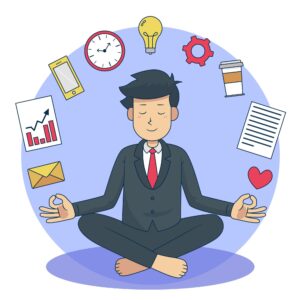
Quality Assurance is often misunderstood as a role driven by checklists, tools, and predefined steps. In reality, it’s a job that constantly shifts between different ways of thinking. A QA professional moves from calm analysis to unpredictable user behavior, from structured investigation to instinctive judgment sometimes all within the same hour. The real work isn’t just running tests, it’s how you think while doing them.
Education and qualifications matter, but they don’t define what makes someone good at QA. What truly separates strong testers from average ones is mindset. QA is powered by curiosity, perspective, and the ability to imagine situations that never show up clearly in requirements or documentation. It’s about reading between the lines and questioning what others assume is “good enough.”
At its core, QA lives between two extremes. One side demands intense focus the ability to notice tiny inconsistencies, subtle UI misalignments, or edge-case failures that most people overlook. The other side requires imagination, where you think beyond the happy path and anticipate unexpected behavior, misuse, or emotional reactions that no system was explicitly designed for.
A QA professional constantly steps into different roles. Sometimes you are the unsure user, hesitating before clicking a button because something doesn’t feel clear. Other times, you become the frustrated user who expects things to work smoothly and quickly. You switch into the mindset of a first-time beginner, a deep thinker questioning flows, a quick problem-solver under pressure, and an imaginative user who simply wants the product to feel right.
What makes QA unique is that none of these perspectives can be turned off. Testing isn’t about looking at a product from one angle it’s about holding multiple perspectives at the same time and knowing when to switch focus. This takes clear thinking, strong communication, and the confidence to challenge assumptions without ego or defensiveness.
Ultimately, QA is defined by perspective. Tools, frameworks, and automation make the process faster and more efficient, but they don’t replace human judgment. A good QA doesn’t just test software they understand people, anticipate behavior, and challenge systems so real users never have to experience the problems firsthand.